

From a building designer’s perspective, the United States is a country of incredible diversity—not only culturally, but geographically, climatically, and architecturally. Designing structures in Oklahoma sits at a unique intersection of these influences. Here in the heart of the country, building design must balance resilience, efficiency, and practicality while reflecting the character of American rural and suburban life.
For companies like Homestead Steel, the landscape of Oklahoma provides a perfect lens through which to understand how thoughtful design supports communities across the nation.
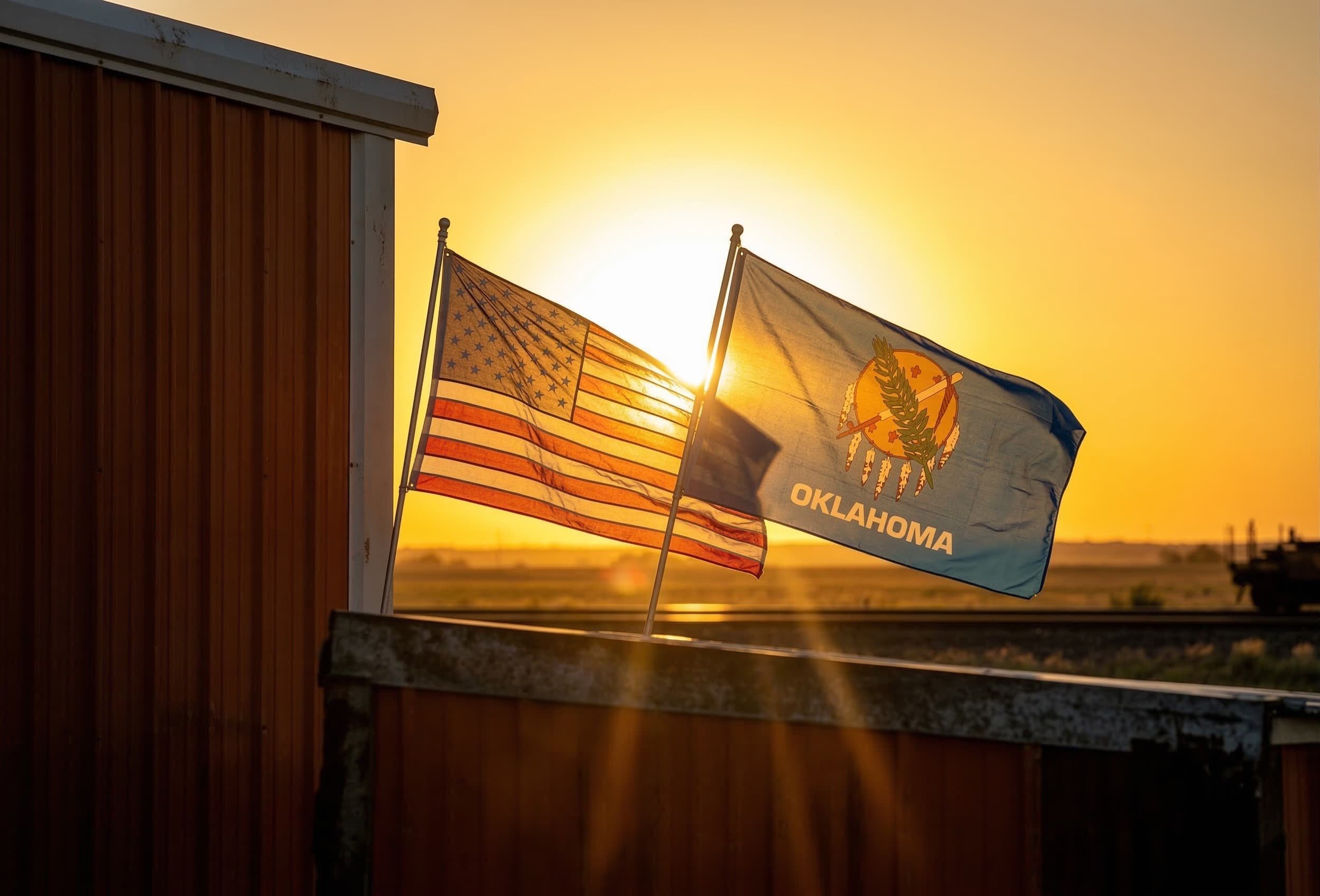
Oklahoma: Where Practical Design Meets Harsh Conditions
Oklahoma is known for wide-open land, hardworking communities, and weather that can change quickly and dramatically. Tornadoes, high winds, scorching summers, and icy winter storms all play a role in shaping how buildings must be designed.
A building designer working in Oklahoma learns quickly that durability is not optional—it is essential.
Steel structures have become increasingly popular across the state for several reasons:
- Wind resistance during severe storms
- Long-term durability in extreme temperature swings
- Low maintenance compared to traditional wood structures
- Large clear spans that support barns, shops, garages, and equipment storage
In rural communities, buildings are rarely just buildings—they are workshops, equipment shelters, family garages, and often the backbone of small businesses. A well-designed structure needs to support daily work, withstand harsh conditions, and remain functional for decades.
The American Homestead Tradition
Across the United States, there is a long tradition of the “homestead”—land where families build, work, and grow over generations. While the materials and architectural styles vary from state to state, the core principle remains the same: structures must serve real life.
In Oklahoma and much of the Midwest, this often means:
- Barndominiums
- Workshops and hobby buildings
- Agricultural equipment storage
- Multi-use garages
- Small commercial structures
Designing these buildings requires understanding how Americans actually use their spaces. A building might store tractors today, house a workshop tomorrow, and become a home addition years down the road. Flexibility is a key design principle.
Steel buildings provide that flexibility because they allow for:
- Wide open interiors
- Future expansions
- Custom layouts
- Long structural lifespans
Pro Tip
Regional Design Across the United States
While Oklahoma presents unique design challenges, many of the same principles apply nationwide. Every region of the United States requires designers to adapt structures to local conditions.
In the Midwest
High winds and heavy snow loads influence roof pitch and structural reinforcement.
In the Southeast
Humidity, hurricanes, and corrosion resistance shape material choices.
In the Southwest
Extreme heat and sun exposure push designers toward reflective roofing and ventilation strategies.
In the Northern States
Insulation, snow load capacity, and energy efficiency take priority.
What remains consistent is the need for structures that combine durability, functionality, and cost efficiency—qualities that modern steel buildings provide.
The Rise of Steel in American Building Design
Over the past few decades, steel construction has become a major part of rural and suburban development across the United States. While wood-frame construction once dominated barns and workshops, steel buildings now offer advantages that are hard to ignore.
From a designer’s perspective, steel offers:
- Predictable structural performance
- Resistance to rot, pests, and fire
- Efficient construction timelines
- Lower long-term maintenance costs
For property owners, that translates to buildings that can withstand the realities of American weather while remaining affordable and adaptable.
Designing for the Future
The future of building design in Oklahoma—and across the United States—will likely continue to prioritize resilience, efficiency, and flexibility.
As more Americans invest in land, home workshops, hobby farms, and small businesses, the demand for practical structures will continue to grow. Designers will increasingly focus on buildings that can evolve with the needs of the people who use them.
For companies like Homestead Steel, this means continuing to design structures that support the modern American homestead—strong enough for Oklahoma storms, adaptable enough for changing lifestyles, and built to serve generations.
In the end, good building design is about more than materials and engineering. It’s about understanding the land, the climate, and the people who rely on these structures every day. In Oklahoma and across the United States, that perspective shapes the buildings that keep communities working, growing, and thriving.